
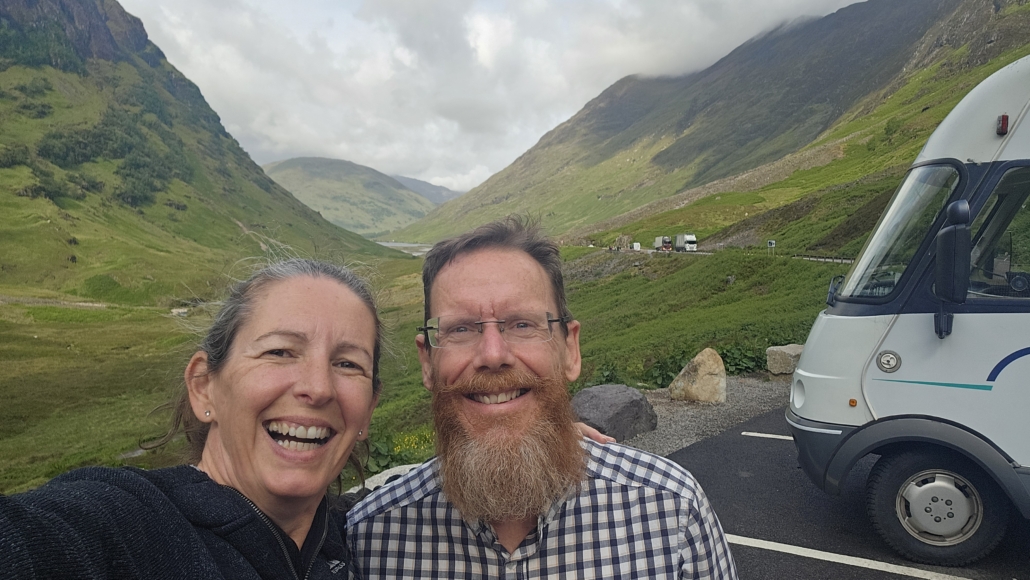
10 Years of Early Retirement: A Financial Update
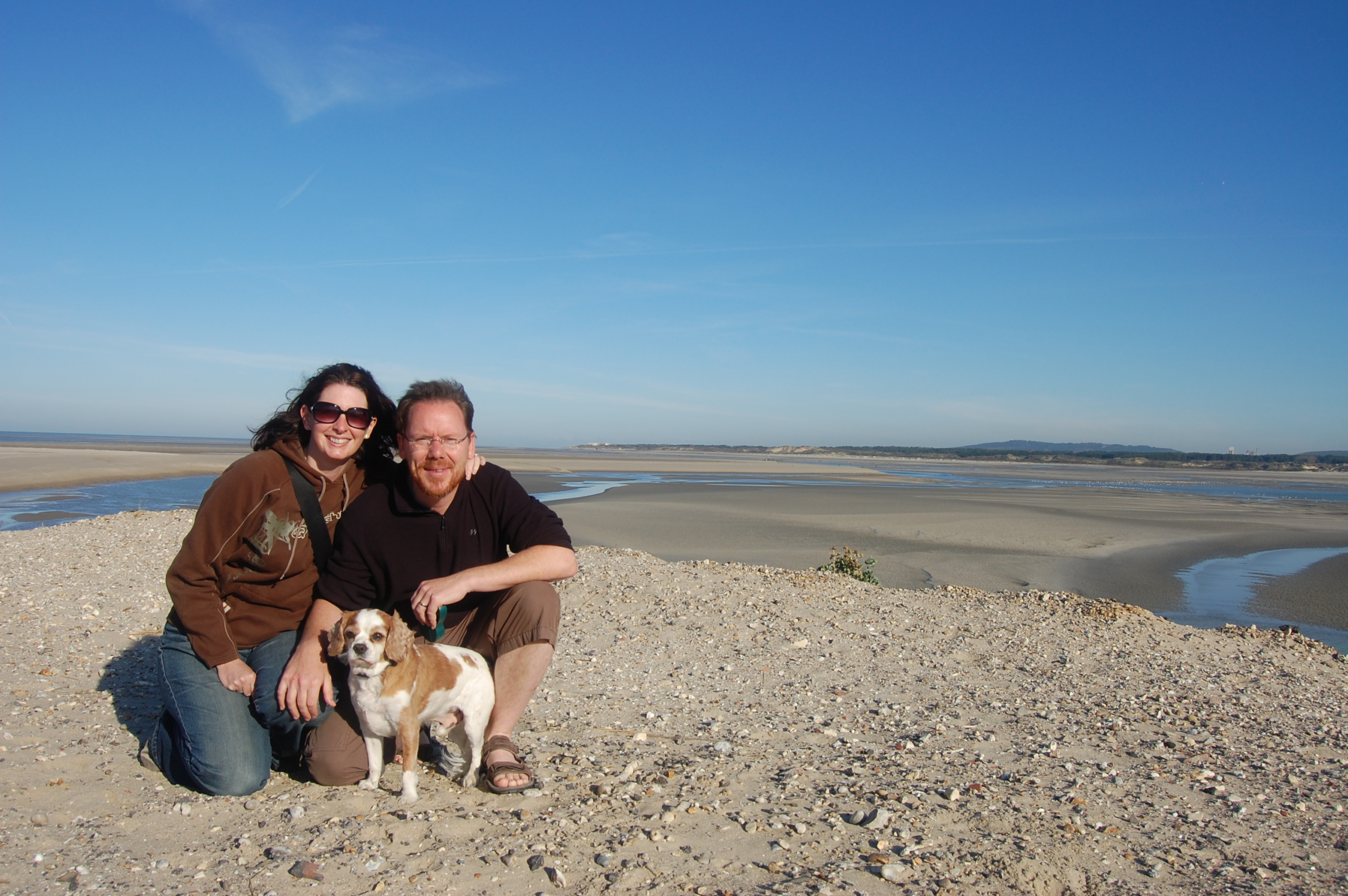
Roughly 12 years ago, Ju and I had just got back from an epic two year adventure in a motorhome around Europe and North Africa. We sat on the floor of the lounge of our rented house with a bottle of wine. Laid out before us we had a large sheet of paper and some marker pens. Our aim for the evening was to work out how to get free of work by the time we were 50 (8 and a bit years away).
Fast forward two years, and on the 31st August 2015, we’d pulled it off reaching our Tipping Point – enough investment income each month to cover our costs. A month later I retired from Corporate Life. It took a bit of risk, lateral thinking, hard work and luck. Also, we’d revised down the amount we’d be able to spend each year to speed up our exit from work. But we got it done.
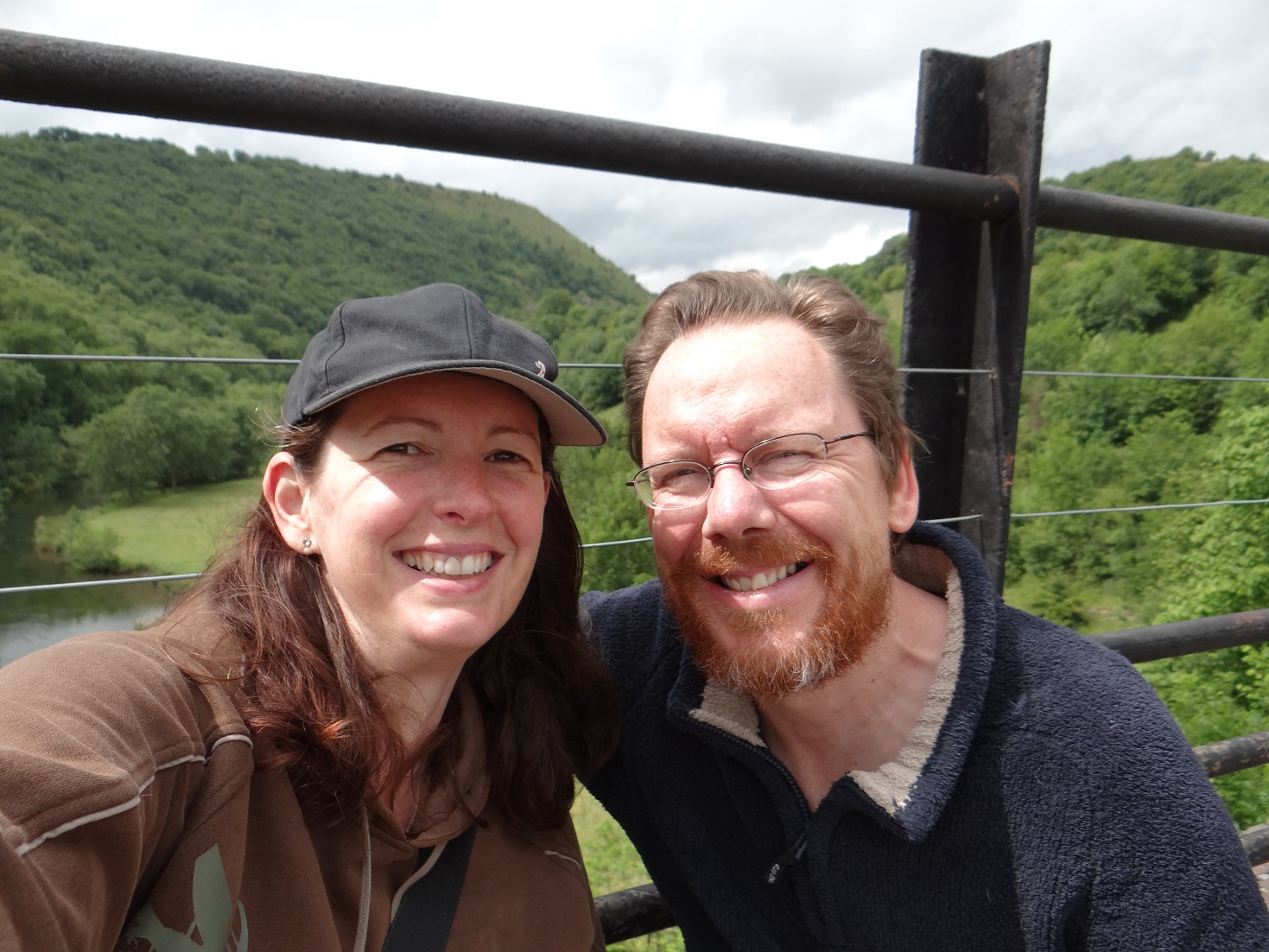
Did we look back with any doubt? Yup! I went back to work a couple of years later for a few months, but that stint served to confirm the corporate world really was no longer for me. Since then we’ve found other ways to feel fulfilled.
Have our finances held up? Yes. We’ve roughly double the assets we had when we retired. It sounds implausible but that equates to a 7% compound return, which has proved a realistic return in global stocks/our UK property over the past decade.
We’ve had other sources of income which have enabled us to take only a small percentage from our assets. In turn that’s allowed them to continue to grow – or as I put it back in 2017, they’re our Spiraling Wealth Machine.
Our Initial Financial Plan
Our early plan was based around rental houses, something we’d a good few years of experience in. We’d built up equity in a bungalow I’d bought before Ju and I met, and we’d paid off the mortgage on our three bed house. Both were let out during our two year trip.
When we came back our tenants wanted to stay, so we rented a two bed semi and started looking for work. Our aim was for me to go self-employed, working as a contractor in corporate IT. Higher risk but also higher reward. Ju would look for a permanent job in marketing, again in a corporate company. Within a couple of months we’d both found positions. We lived on Ju’s salary and invested the income from my contracting. We were on our way.
There were tough decisions to be made. Knowing it would be a long time before we were free to hit the road again, we sold our trusty motorhome called Dave – there were tears. We also had to let our heads (and a spreadsheet) rule over over hearts when we decided to not move onto a narrow boat.
Our plan was to save up an emergency fund, then remortgage the bungalow and use the capital as deposits on two or three more rental houses. In the end we only bought one. A Victorian-era house on a high street in Nottinghamshire. A long-time butchers shop, it was (and still is) attached to a two bed house with a courtyard and an outbuilding. We bought it under auction conditions, excited but not knowing quite what we’d do with it.
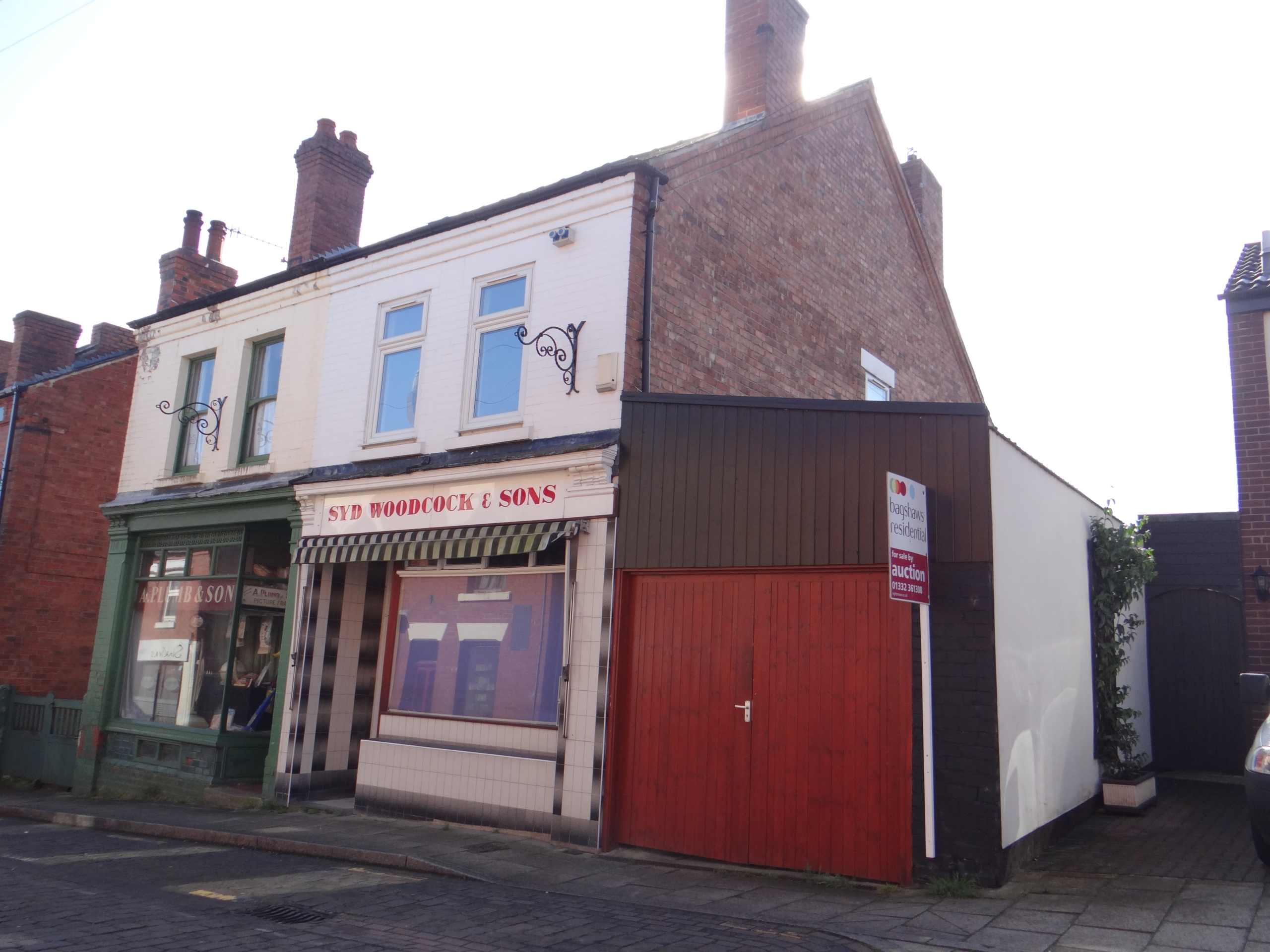
Over a year we renovated the shop, house and outbuilding. We created a small private space where we could live when we weren’t traveling, plus a rental shop and rental rooms in the house. When we’d tenants for both of these, plus our income from the bungalow, three bed house it was enough to cover the bungalow mortgage and pay all our expenses.
Astonishing ourselves, we’d reached our tipping point only two years after starting our push for financial independence. It still seems surreal, all these years later.
We gave notice on our jobs and bought another motorhome – we’d become freedomaholics. We would split the coming years between touring Europe and North Africa and spending time at home here in the UK.
The Shift from Houses to Shares
During our time working towards financial freedom, we’d pulled books from the library, watched financial planners on YouTube (Pete Matthew remains a favourite) and read blogs, before tentatively deciding we’d try investing in businesses (shares). Knowing nothing about stock picking or investing directly in businesses, we decided to buy share funds.
With the click of a button we became part-owners in thousands of the world’s biggest companies. At that point we were intrigued and nervous in equal measure. We’d both owned shares before, but they were either issued to us by employers or bought without really knowing what we were doing. Usually we’d lost money, and were wary of the stock market as a result.
As the years passed we continued to read up on shares, methods of investing in them and the psychology around owning them. We shifted our shares into All World funds which simply ‘track the market’ so make no effort to choose which companies will outperform others.
We steadily invested any money we had saved into more shares, re-investing any dividends they paid out. Our aim was to hold the shares for as long as we could, decades at least, selling a tranche each year to pay the bills. We watched our emotions as they rose in value and, occasionally and inevitably, flat lined or crashed.
The crashes could have easily tempted us to sell, especially at the start of COVID, but we held firm, and even bought more as the market crashed. A good sign our minds were in the right place for shares. Selling during a crash is the biggest cause of stock market losses or under performance, easy to know but it’s hard to sit by and do nothing.
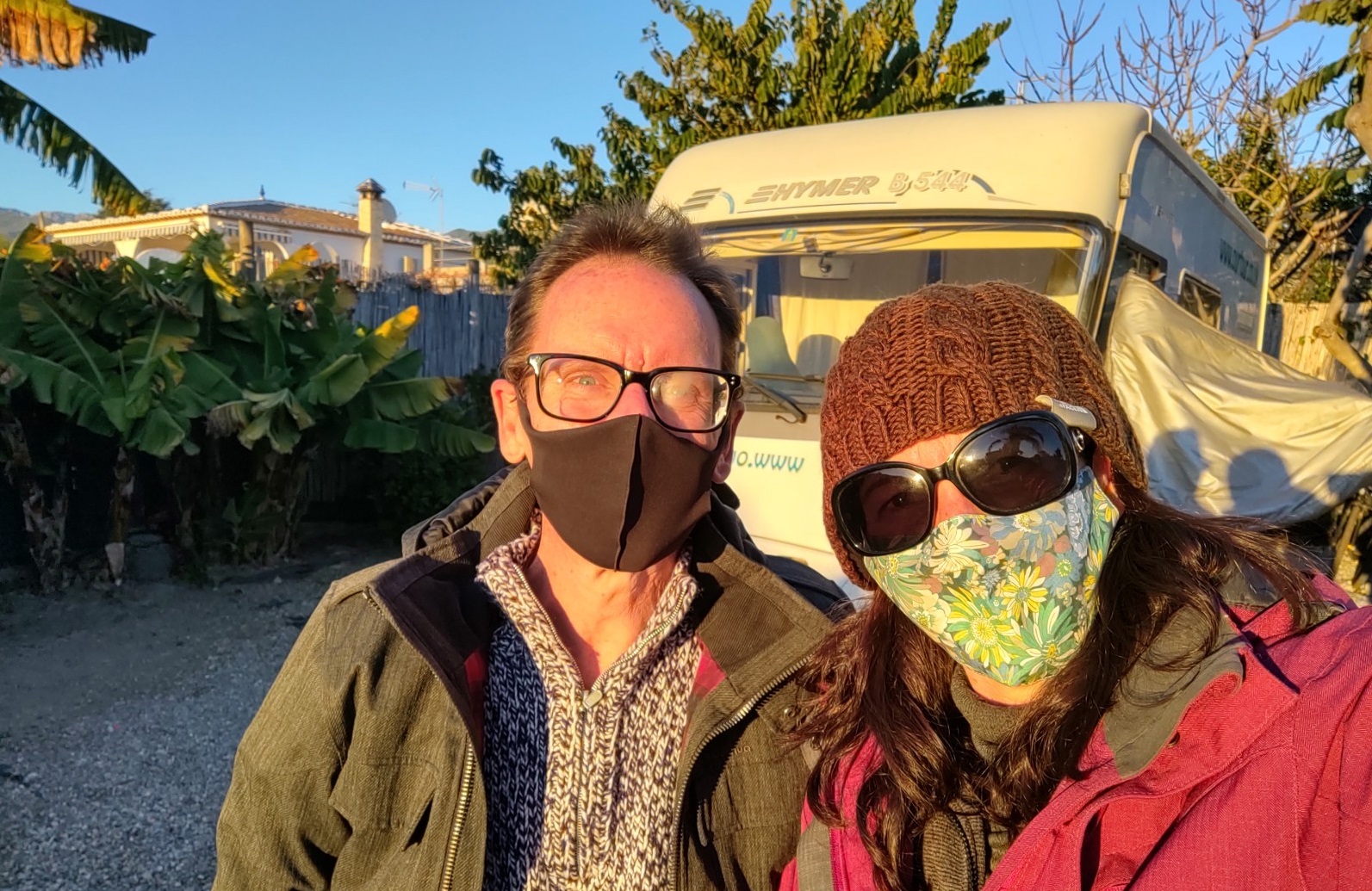
When a tenant in our main rental house defaulted and left the place in a poor state, we decided we’d sell it and shift to shares. It took almost a year to sell. It required the involvement of the courts, weeks of hard work for three of us and thousands of pounds to get the house back and ready for sale. It took around five minutes and cost £21 to reinvest the house money into share funds. I’m not suggesting shares beat rental houses as investments, but they’re definitely easier to buy and sell.
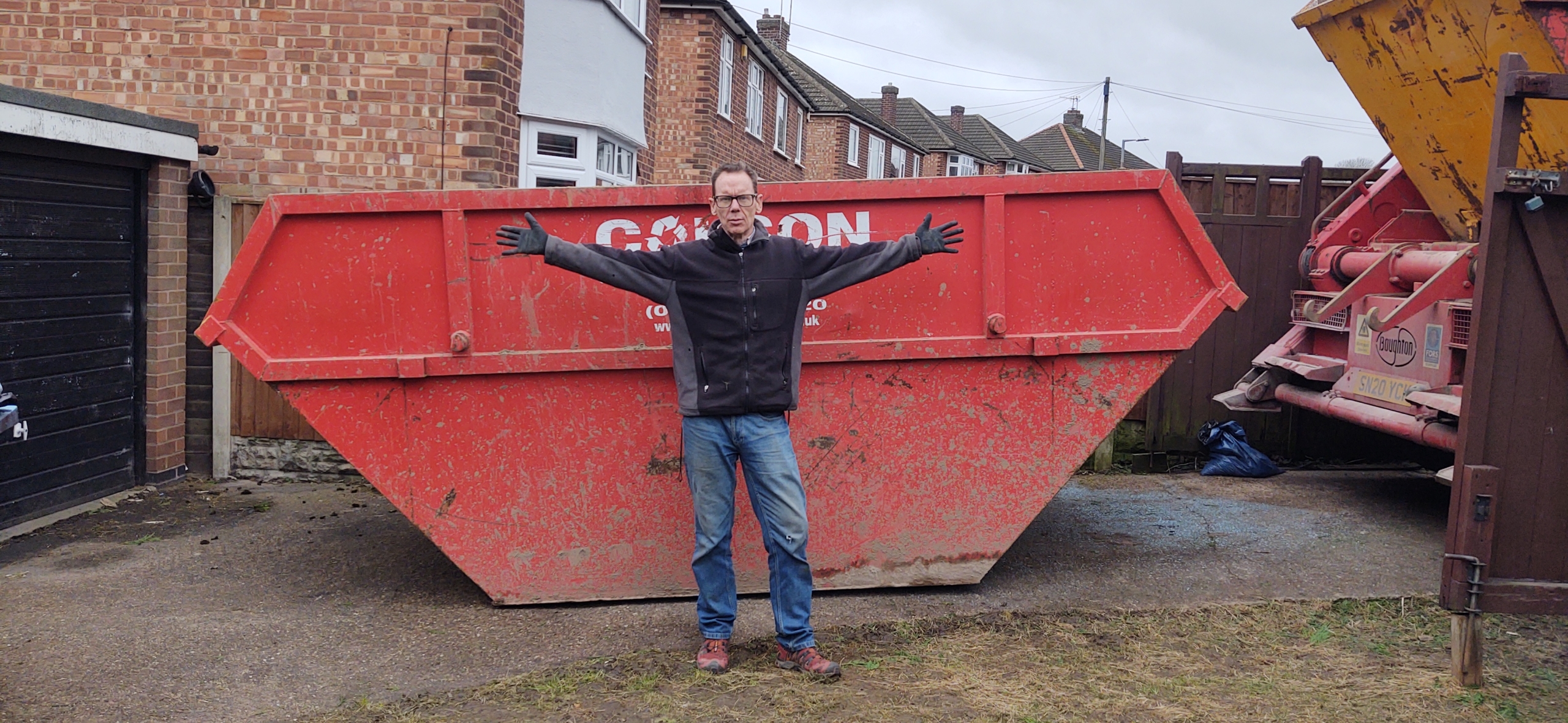
We still own the butchers and the bungalow, so for the time being we have rental income (and all the obligations which come with being landlords). We now live in the main part of the butchers house, rent out the shop and the small outbuilding we used to live in is now a self contained annex on AirBnB. This suits us, as we have all the comforts of a house and can close down the AirBnB whenever we want to do something away from home.
ISAs and Pensions
We’re 53 now. We’re at least 14 years away from the state pension, with no guarantee it won’t be means-tested by then (although that feels unlikely). We decided to keep up National Insurance payments anyway. If we do get these pensions, they’ll significantly bolster our income in our late 60s.
We both have SIPPs (personal pensions), into which we moved all the smaller defined contributions pensions we had from previous employers. We’d been paying into these pensions since our 20s, taking advantage of ‘free money’ through employer matched contributions and tax deductions from the government.
We continue to contribute to our SIPPs, as does the government, although we’re very limited now by law on how much we can pay in. The SIPPs are also invested in low-cost share funds and we’re able to access them from age 55 onwards, less than two years away. (This is rising to 57 but we’re old enough we can access them at 55).
The majority of our shares are in ISAs. These aren’t subject to any kind of tax (they’re free from capital gains, income, interest and dividend taxes). We can sell shares in these ISAs at any time to get access to the cash. Dangerous if you suddenly fancy a Ferrari, not so much if you see £££ as security and freedom, as we do.
I also have a defined-benefits pension which will pay out around £8,000 a year from age 63. We could potentially access this from 55 if we take a lower amount. Either way, it represents a steady income which will help smooth out future stock market crashes (possibly lowering our sequence of returns risk). It also pays out (a lower amount) if I die, so Ju will still receive it.
Additional Income
We’ve had various other ‘streams’ of income during retirement. Some came from part-time work. I know, I know, how can we be retired and working at the same time? Believe me, when you’re in your 40s or early 50s with no kids and have 100 hours a week to fill, a few hours of work on your terms doesn’t feel like work.
We’ve produced promotional videos, set up websites, blogged and vlogged, written and self-published books and promoted a utilities company. The income has varied drastically, it’s roughly been a few thousand pounds a year. A couple of roof-mounted solar arrays have created about £1,000 a year too, and saved us a few quid in electricity bills.
How Much do We Spend?
Ju started tracking what we spend about 15 years ago. When we set off travelling, she cranked up the level of detail, keeping a note of almost every outgoing. So we’ve about 12 years of categorised spending. Everything from the gas bill to food to petrol to renewing phones and decorating.
Unsurprisingly the amount we spend has gone up over the years. We knew it would, and have planned for it. Our first year of financial freedom in 2016 cost us £24,294.86 (yep, every penny is tracked), but this included a pretty epic multi-month motorhome tour of Scandinavia.
By 2022 our time in the motorhome had reduced to around three months of the year, lowering our expenditure to £17,467.01. This has risen to just over £31,070.40 for this past year. Much of the increase has been driven by us stopping sharing the bills at home with tenants.
We have no mortgage costs. The (10-year-old) car and (20-year-old) motorhome are paid off and we have no other forms of debt. We travel a few months a year in the motorhome and fly for two or three weeks into Europe, renting a car and a self-catering apartment somewhere nice. We tend to buy clothes and gadgets second-hand (or at least on sale), buy end-of-life (yellow sticker) fresh food, cook at home and do DIY ourselves where possible.
The Future
Leaving work and shifting from a monthly steady income to a haphazard one was a major mindset change. We tackled the fear by telling ourselves we were just trying out a crazy life experiment. If it didn’t work, we’d go back to work in some form. We knew we’d not be able to get anything like the same level of jobs we had before. But we also knew even if our plan failed we’d still have at least some income from assets. We also knew we needed far less to live on than we used to earn.
So far at least the plan has worked beyond anything we expected. Houses and shares appreciated more than we guessed they would. We earned more from self-publishing books and the AirBnB than we could imagine. We don’t really need these supplemental types of income and expect them to dry up in time, but they have been very helpful financially and psychologically in these early years.
There’s a long way to go though. Aged 53, we’ve hopefully another 30 or even 40 years ahead. That’s an impossibly long time to plan for, and realistically we need to stay flexible.
Our financial plan allows for some bigger one-offs like replacing the car and motorhome or future long blow-out trips to New Zealand or some such.
Other than our DB pension, there are no guarantees our future income streams will continue to perform.
That said, on balance of probability they are likely to continue to meet our needs. All of life is a risk. There is no risk-free path and no-one can see the future. At the moment we’re comfortable our approach is working.
We sit down monthly and review our finances. Ju does all the work feeding her monster spreadsheet, after which it takes all of about 5 minutes to eyeball the graphs and decide if we need to change anything.
Sometimes we decide we need to spend more, buying things we’ve put off or taking holidays we need to feel good. Other times we’ve opted to pull our belts tighter, holding off spending until our situation improves. But usually, it’s that we need to spend more. We’ve clearly got to used to and enjoy living fairly frugally!
Any Questions?
If you’re thinking of retiring early and have any questions you’d like to ask us, please feel free to put them in the comments section below. They won’t appear on the blog until we approve them, which could be a few hours or days, but rest assured we read them all and will reply as best we can.
Cheers, Jay
Thanks for reading folks! For all our best tips and tricks:


Great post. I’ve followed you for many years and enjoyed your motorhome touring around Europe. You gave me the inspiration to follow in your footsteps, and we bought a Hymer B584 and later a 2017 B668, which we still have.
I hit enter too soon on my previous post. We retired on 27th March 2015 at the ages of 40 & 45 (no inheritance) and are having a great time, primarily travelling both in our Hymer and also taking long haul trips. Thank you for inspiring us, this gave us the kick up the backside to make the jump into early retirement.
That’s great Richard! Thanks for taking the time to comment and happy travels to you both. Cheers, Jay
Hi there, really interesting article and thanks for writing it. Your blogs and photos have been an inspiration to us as well as we’ve embarked on our journey of financial independence and early retirement which has happily led us to lots of motorhome skiing.
Thanks and all the best to you both,
Toby & Sally
Great news, thanks Toby and happy skiing! Jay
Hi Both
I have been using your spreadsheet (amended to suit our circumstances) for about 9 years now.
Firstly to determine whether I should take early retirement and then to ensure we remain financially stable.
Like you I keep a forensic note of income and expenditure but this is mainly to work out if we are in the green or the red on an annual basis.
My main regret is that when younger, once we got out of an early financial squeeze, I didn’t track our income and expenditure closely enough. Whether you want to retire early or not, it is simply the right thing to do.
We go to Spain each winter for about 10 weeks (in our 6m van) and steward at festivals in the summer. Safe in the knowledge that we know what we can afford.
We have been following you for years and just wanted to thank you both for being an inspiration for us to change our lives for the better financially many years ago. Keep up the good work!